Recipe - Ox tail braised with stout and cannelloni beans

This recipe has been adapted from a Delia recipe and is a really great winter warmer! 

Ingredients:

Photo credit: Delia's website

Photo credit: Delia's website

1.35-1.6 kg Trenchmore Ox tail

350 gm large open mushrooms

550 ml beef stock

350 gm chestnut mushrooms

salt and black pepper

1 x 440 ml stout

I can cannelloni beans

4 tablespoons olive oil

1 rounded tablespoon plain flour, seasoned

2 large onions, halved and thickly sliced

4 whole garlic cloves, peeled

2 good sprigs thyme


To make the casserole, heat 2 tablespoons of the oil in a large frying pan, then wipe the pieces of oxtail with kitchen paper and coat them lightly in seasoned flour and fry in hot fat on all sides until they are well browned colour.

Then, using a slotted spoon, transfer the pieces of oxtail to a casserole. Now add the rest of the oil and, as soon as that's hot, add the onions and fry these for about 5 minutes until brown at the edges, transfer them to the casserole. Remove the pan from the heat, then drain the beans and add them to the casserole along with the garlic cloves, sprigs of thyme and bay leaves and add a good seasoning of black pepper.

Next wipe the open cap mushrooms with some damp kitchen paper, halve them (or quarter them if they are very large), then add these to the casserole as well, tucking them in among the beans and oxtail. Now return the pan to the heat, add any remaining seasoned flour, stir it in to soak up the juices and gradually add the stock and the Guinness, whisking all the time until it reaches simmering point.

Pour it over the oxtail and the rest of the ingredients, cover with a tight-fitting lid and place in the pre-heated oven for 21⁄2 hours. Then add the chestnut mushrooms halved and wiped as above, put the lid back on and give the casserole a further hour in the oven. When you next remove it, you will see that some of the fat from the oxtail has bubbled up to the top – spoon this off by skimming a tablespoon across the surface - great for roasting potatoes!. Then season with salt before serving with a lightly cooked green vegetable.

Recipe - Ox tongue with lentils and green sauce

Photograph: Colin Campbell for the Guardian

Photograph: Colin Campbell for the Guardian

This fantastic recipe is thanks to Hugh Fearnley-Whittingstall. Don't be put off by the long list of ingredients – it's very simple and you will have plenty of tongue left over for sandwiches and salads. Serves six.


For the brine

500g demerara or light muscovado sugar

1.5kg coarse sea salt

1 tsp black peppercorns

1 tsp juniper berries

5 cloves

4 bay leaves

1 sprig thyme

For the tongue

1 whole ox tongue

1 bouquet garni (1 bay leaf, 4 parsley stalks, 2 sprigs thyme)

1 carrot, chopped

1 onion, chopped

1 celery stick, chopped

1 leek, chopped

1 clove garlic

For the green sauce

1 large bunch flat-leaf parsley

1 large bunch mint, marjoram or basil (or a combination thereof)

1 tbsp capers, rinsed and chopped

8 anchovy fillets, finely chopped

1 small clove garlic, finely chopped

1 tbsp Dijon mustard

Sea salt and freshly ground black pepper

2 tbsp white-wine vinegar

Extra-virgin olive oil

To serve

300g Puy lentils or Trenchmore Wheat Berries

1 bouquet garni (1 bay leaf, 4 parsley stalks, 2 thyme sprigs)

Salt and freshly ground black pepper


Put the brine ingredients in a large pan, add five litres of water and, over low heat, stir until the sugar and salt dissolve. Bring to a boil, bubble for a few minutes, remove from the heat to cool, then refrigerate until cold.

Put the tongue in a non-metallic container or a large food bag (don’t worry if you cant get all the brine in so long as the tongue is covered)  or use the fridge veg draw. Cover with the brine, weighting it down, if necessary, to keep it submerged, and leave in a cool place or fridge for four to five days.

Remove the tongue from the brine and soak in fresh, cold water for 24 hours, changing the water at least once more. Put the tongue in a pan with the bouquet garni, vegetables and garlic, cover with fresh water and bring to a gentle simmer. Poach very gently for two and a half to three hours, until tender and yielding. Lift out the tongue, cool and peel off the coarse outer skin.

To make the sauce, finely chop the herbs and put in a bowl with the capers, anchovies and garlic. Add the mustard, seasoning and vinegar, toss, then add enough oil to loosen the mix to a spoonable consistency.

Cook the lentils as per the packet instructions (though adding a bouquet garni to the cooking water), then dress with oil and season. When the tongue is completely cold, cut into 1 cm slices and serve with the lentils and green sauce.


The Trenchmore Steak guide

Cooking tips

Always take steaks out of the packaging, pat dry and bring to room temperature before frying or grilling.

Season well with salt before cooking, not black pepper as this can burn in the pan.

Add a teaspoon of grass-fed tallow or vegetable oil to a very hot pan and just before it starts smoking, add the steak. 

If your steak has a rim of fat left on, press this side down with tongs on the searingly hot pan before cooking the rest of the steak until crisp, instead of adding fat to the pan.

Avoid overcrowding the pan as this will cause the temperature to drop.

Always rest your steak on a warm plate for at least 10 minutes before serving, and always cut against the grain!


Sirloin - otherwise know as Entrecote, the Sirloin is a leaner cut of beef and comes from the loin of beef. Full of flavour and remarkably tender, this cut benefits from being cooked medium-rare and a full rest. 

Rump - coming from the back of the animal, this cut is not as tender as sirloin but more than makes up for it with a wonderfully beefy flavour and delicious bite. It benefits from being  cooked medium to medium-rare. Trenchmore Rump is Rachel's favourite steak! 

Fillet - the most lean and tender of all the steaks, the fillet comes from the least used muscle on the animal. It has a full flavour thanks to dry-ageing and should be flash fried on a searingly hot pan to avoid it drying out. 

Rib eye - Thick cut with heavy marbling, the rib eye is potentially the most popular steak of recent years thanks to it's beautiful flavour. Coming from the rib section of the animal, this should be left to rest for longer than other steaks and served medium-rare. 

Onglet - also known as 'hanger steak', the onglet is loved for it's big flavour. Being one of France's favourite steaks, onglet should be fried quickly on a high heat and then rested for up to 20 minutes in a warm place. 

Bavette / Goose Skirt - another French classic, the bavette steak comes from the flank muscle and has a deliciously beefy flavour and slightly coarser texture. Marinading will help to tenderise, or simply flash fry and a ensure it gets a good 20 minute rest before eating. 

Denver - this steak comes from the chuck and is tender with a delicious beefy flavour. As it has long strand muscles, it is important to rest well and cut this steak against the grain after cooking. 

LMC - this steak comes from the shoulder and is wonderfully flavourful and well textured. It is best served medium / medium-rare.

Velvet Steak - this is a very lean cut which comes from the heel, and can either be flash fried or slow-braised for increased tenderness. This steak is best cooked rare with charring on both sides, which is best done on a searingly hot pan.

Thick Flank - Pave - a quick cook steak best served medium rare or long slow braise - either way delicious with chips! Finish with a knob of butter or drizzle of olive oil before resting. 

Chuck eye - this steak come from the chuck primal, slightly lower down from the rib primal. Chuck eye steak won’t be as tender as the eye of your rib eye steak because it’s in a harder working area of the body, but it will have the same rich flavour and beautiful marbling. Best served medium and sliced across the grain. 

Flat Iron - from the blade, the Flat Iron is lean and surprisingly tender for a shoulder steak, with an incredibly rich, beefy flavour. We think it is best

Spider Steak - also known as the oyster steak, the spider steak is a little semi-circle weaved with a web (hence the name!) of intramuscular fat that sits inside the hip on the Aitch bone. There are only two spider steaks per animal so you are lucky to get your hands on one! It’s small, flavourful thanks to it’s natural marbling and easy to prepare with a quick pan sear. Best served medium-rare.

Picanha - otherwise known as the top sirloin cap, this is a succulent and tender cut from the rump that is extremely popular and prized in South America. They are growing in popularity this side of the pond as well, as they have a great fat to meat ratio and a punchy flavour when BBQ'd or grilled. Using tongs, hold the rim of fat down on to a dry pan to crisp up before cooking the rest of the steak. 

Tender top -

Rump skirt -

Back Rib


Recipe - Trenchmore Beef Burger

This mince is made with the off-cuts from our steak and roasting joints by our fantastic butcher, Dave Rook. It has a relatively high fat content for better flavour and succulence, and is designed to make the most deliciously juicy burger. Also works well to slowly confit at low temperatures.

To cook the ultimate burger, leave mince to come to room temperature and shape into patty either by hand or by using a burger press. Season liberally with salt. Place burger into a pre-heated dry frying pan, over medium-high heat and cook for 3-4 minutes until the patty achieves a golden-brown crust. Flip and cook on the other side for 3 minutes for a pink burger. Internal heat should reach 70°C for 2 minutes. Season with pepper once cooked and rest for at least 3 minutes before devouring. 

Joanne's favourite is blue cheese and tomatoes, Andrew loves bacon and barbecue sauce and Rachel goes for cheddar and caramelised onions on a brioche bun! 

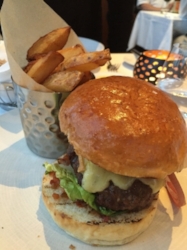
Trenchmore Burger served at Roast Restaurant, London

Trenchmore Burger served at Roast Restaurant, London